Category: Uncategorized
-

How to Evaluate Online Resources using a Digital Edition
This blog post introduces users to a list of key questions they should ask when considering using data produced by digital editions. Drawing on examples from the Civil War & Reconstruction Governors of Mississippi Project, Peterson seeks to remind users of the need for equitable data practices and importance of recentering the human element within…
-

SELF-TEST!
Want to test your knowledge of the types of key questions you should be asking? Take an exciting interactive test here: Test 1 Test 2
-
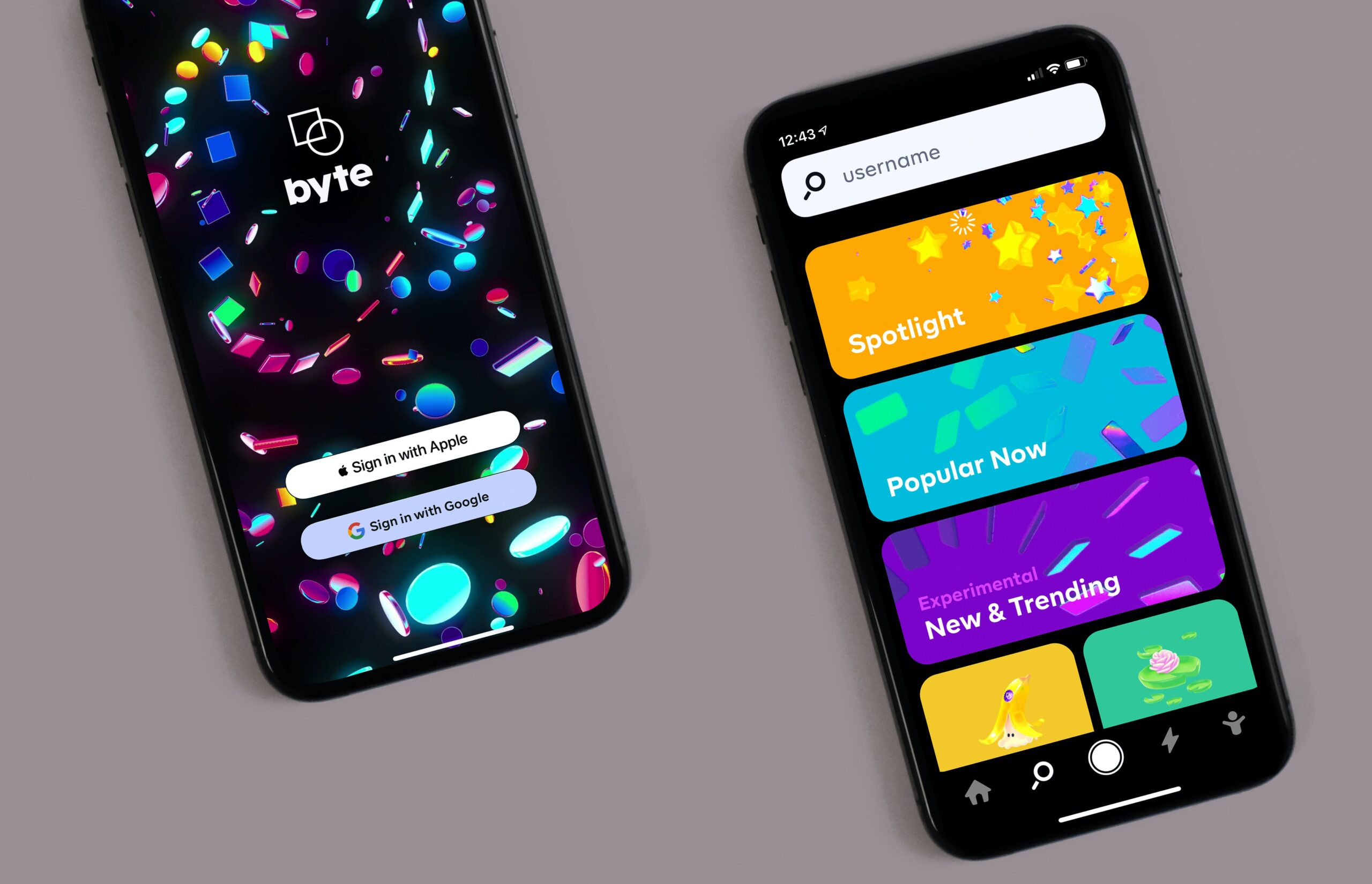
How friendly is the interface with the users?
The question is related to how easy and friendly a user can use or access a particular tool. Information Architecture is an important part of this critical analysis. We may think if the users are familiar with this kind of tools since some of them could have a hard or complex interface. Evaluating navigation, labels,…
-

How inclusive this tool is with the different communities around the world?
Assuming that the world is a diverse place (and that we should embrace it) and marked by different biases, having a tool that could relate and adjust for a wide variety of people. Different background, contexts, geographical location, ages, language, etc., could be a barrier to understanding or applying DH tools. We must be aware…
-

Why is it valuable to use a DH tool in this specific scenario?
Our current context is marked by digital technology, however sometimes we tend to use it as something “cool” or fashion or event just to be part of these broad concepts. I have seen and meet people that decide to use “X” tool just to fit in or be part of the IoT / Digital Transformation.…
-
What might be the biases of using this tool?
Origin, creation and background, even if they are unintentionally mentioned, recognized or described could create bias in our cognitive processes. Everyone and everything has biases, we are not old positivist authors thinking that knowledge and reality is 100% objective. However we must recognize that they exist and that could or could not have an impact…
-
Voyant example
This post is an example of how administrative-related questions might be directed towards Voyant, the “web-based reading and analysis environment for digital texts” co-developed by Stéfan Sinclair & Geoffrey Rockwell. This is not intended to be an exhaustive history of Voyant or a critique of its creators or users. Instead, this example is provided to…
-

How easy is this tool to learn and use?
Consult your local library! Many LibGuides, such as those at Framingham State University, link to extensive documentation, like Voyant Tools documentation, and may even include tutorials from a student’s point of view.
-

Is there any geopolitical implication using this tool?
Assuming that most of the contemporary digital tools are created in a “developed” country, to me it will be valuable to analyze and recognize the power relations that cross all of this tool. Our current context marked by polarization, power groups, etc., could define the use or intention behind a tool. Conflicts also are an…
-

What are the ethics of using this tool?
One example of a content management system that takes such questions into consideration is Mukurtu, which describes itself as “the free, mobile, and open source platform built with Indigenous communities to manage and share digital cultural heritage.”